Stefan Che — My story
Experiments
Experiments
Stefan Shop
$0 price per item
$20K earned
$20 shipping
The model
In 2019, at 14, I adapted a U.S. business model for my Russian-speaking audience: up to 20 novelty products from China listed at $0 — customers paid a flat $20 shipping fee.
Unit economics
Product and shipping costs totaled $4 per order, leaving roughly $16. All traffic came from my YouTube channel, and the shop earned around $20K.
Why I moved on
Once my most loyal followers had bought, I had no alternative acquisition channels — and my interest in content creation was declining.
What I learned
I’m glad I didn’t build a larger business around a product I didn’t find meaningful.
Marketing
$1M campaign budget
$180K net profit
Influencer marketing agency
In 2019 I started brokering ad deals between brands and creators. Within a year, it grew into a small agency leveraging my network of leading CIS creators and celebrities.
The full cycle
I matched creators to each brand’s budget, goals, and audience, negotiated and booked placements, managed clients, and handled bookkeeping. Being a creator myself, I could spot inflated statistics.
The biggest campaign
In 2021, at 16, a client entrusted me with a $1M budget. I booked leading CIS creators, delivered results that met the client’s expectations, and generated around $180K in net profit.
What came next
I wound down the agency as I left entertainment to explore other industries.
Studio Vastness 77
The idea
In 2020, at 15, after renovating my first apartment with YouTube earnings, I co-founded a joint venture with a real estate broker, splitting ownership 50/50: turning large, neglected Moscow apartments into affordable studios.
How it worked
We converted five rooms into five studio units, each with its own bathroom and kitchenette, accessed via a renovated shared hallway. Buyers acquired ownership shares, and purchase agreements gave us several months to consolidate ownership before closing.
My role
I led marketing, built the brand and website, animated the logo in After Effects, and produced YouTube property tours.
Result
We completed and sold two of three properties and earned extra on interior finishing. I personally earned around $10K before transferring my 50% stake to my partner and focusing on technology ventures.
YouTube ↗
Instagram ↗
DexDox
In early 2022, at 17, I wanted to take blockchain beyond finance: a decentralized alternative to Google Docs and Sheets, with no single server as a point of failure.
What I did
With Vlad Martynov, a former Ethereum Foundation advisor, I pitched the idea to Vitalik Buterin, who was willing to provide resources if we built on Ethereum. I self-funded a month of research and ran the project’s Twitter.
Why I stopped
Decentralized storage needed substantial upfront R&D, and demand was too limited to make fundraising straightforward. With my experience at the time, the risks were too high.
It showed me my limits at that stage. Some ambitions need time.
Twitter ↗
BABF Capital
Early initiative
In 2021, at 17, I co-founded BABF with three partners, pooling $1.1M of our own capital to back early-stage Web3 startups and liquid tokens.
Investment strategy
$200K was invested in 17 startups and $900K in liquid tokens, focusing on DeFi, decentralized data infrastructure, and some GameFi.
Building operations
I built our scout network and deal pipeline: three analysts and up to four scouts covering events and hackathons worldwide, our own scorecard, and a weekly investment committee.
Outcome
We wound down in early 2025. Roughly $500K in trading gains was reinvested, and around $500K remains in tokens. Most venture investments did not succeed.
Conviction in a technology isn’t evidence of demand. First, I needed to build businesses to offer founders more than capital.
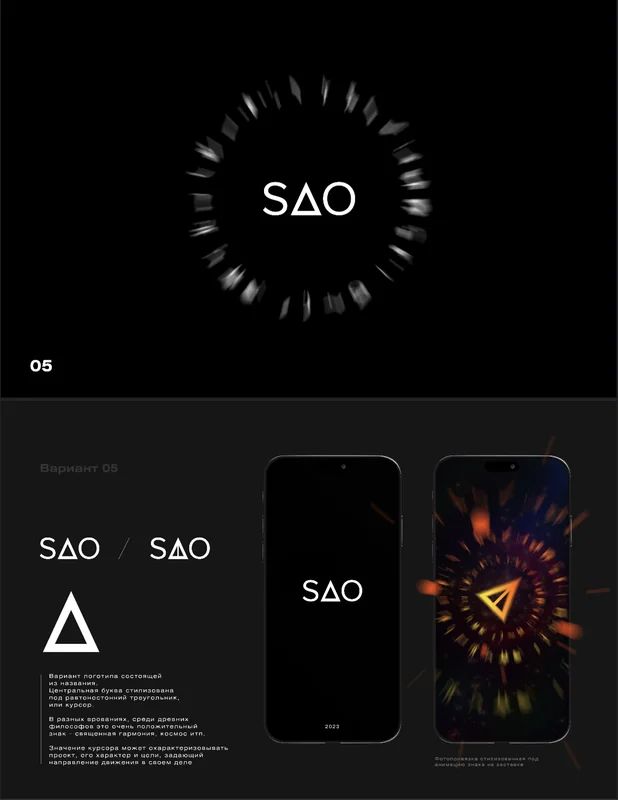
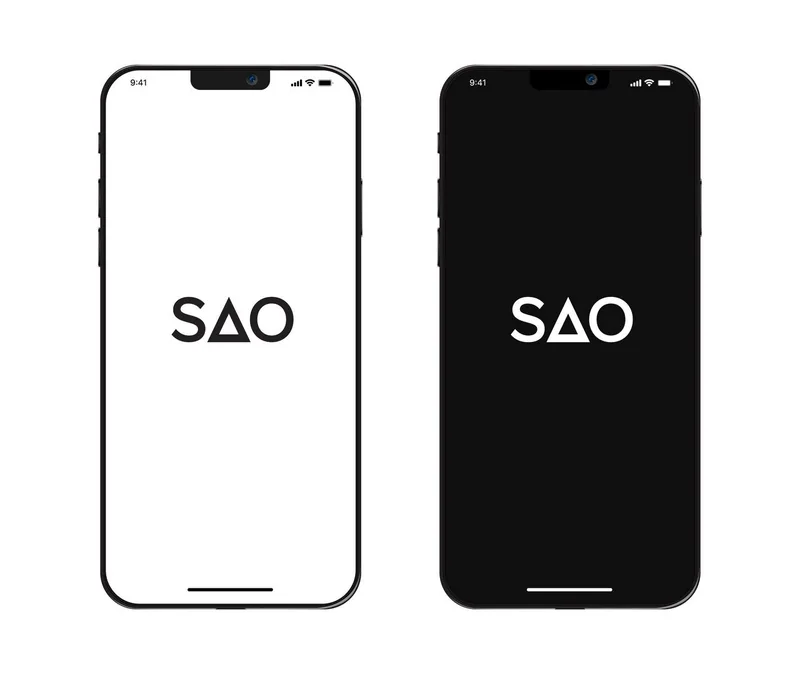
SAO Wallet
In 2023, at 18, I partnered 50/50 with blockchain investor Oleg Ivanov on SAO Wallet, a consumer-facing wallet built on multi-party computation (MPC), with no seed phrases to manage.
I led marketing and UI/UX. We evaluated existing infrastructure and began integrating our custom interface with wallet code for an MVP.
Why we paused
After two and a half months, interest in crypto seemed to be cooling, and both of us had competing commitments. We never resumed development.
I still believe in the idea. At least one founder needs to make the venture their primary commitment and take full ownership of execution.
TTM Academy
The deal
In early 2024, at 19, I bought a 10% stake in TTM Academy for $100K and joined as a marketing advisor. The academy offered courses in crypto, trading, and blockchain development.
Over roughly a year, I shaped the launch strategy, made key business introductions, and worked on creator and ambassador partnerships. Our Telegram mini-app attracted millions of players.
Demand was declining, and the academy ceased active operations in late 2025. Distributions roughly recouped my initial investment, and I still hold my 10% equity stake.
Clarify responsibilities, time commitments, and expectations before buying into a company. I do my best work building my own ventures.
Website ↗
Telegram ↗
Image captions and sources
- Studio Vastness 77
- Studio Vastness 77
- DexDox
- BABF Capital
- SAO Wallet
- SAO Wallet
- SAO Wallet
- TTM Academy
- TTM Academy